Eva Case with Mold Cost, the key of EVA case production
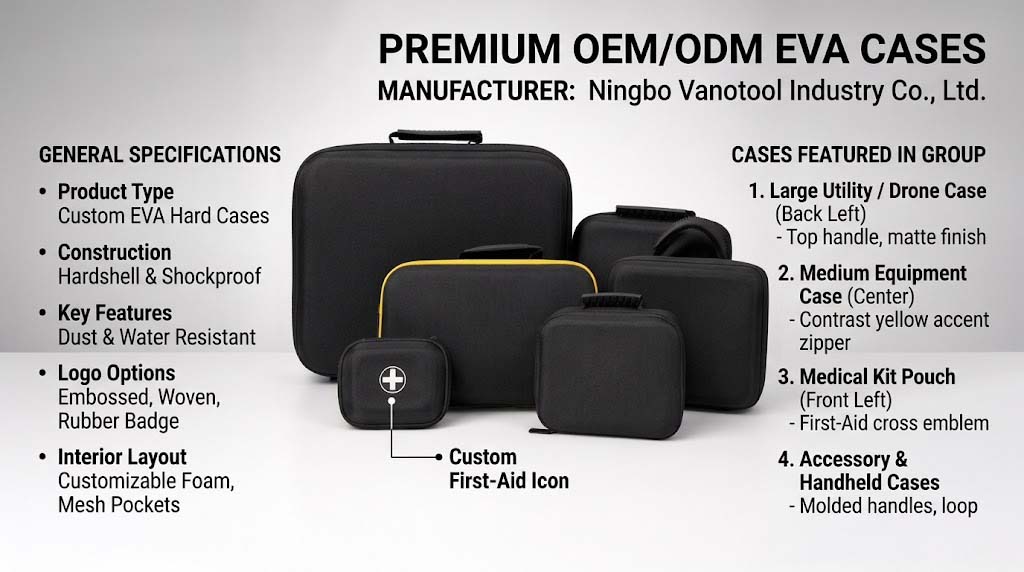
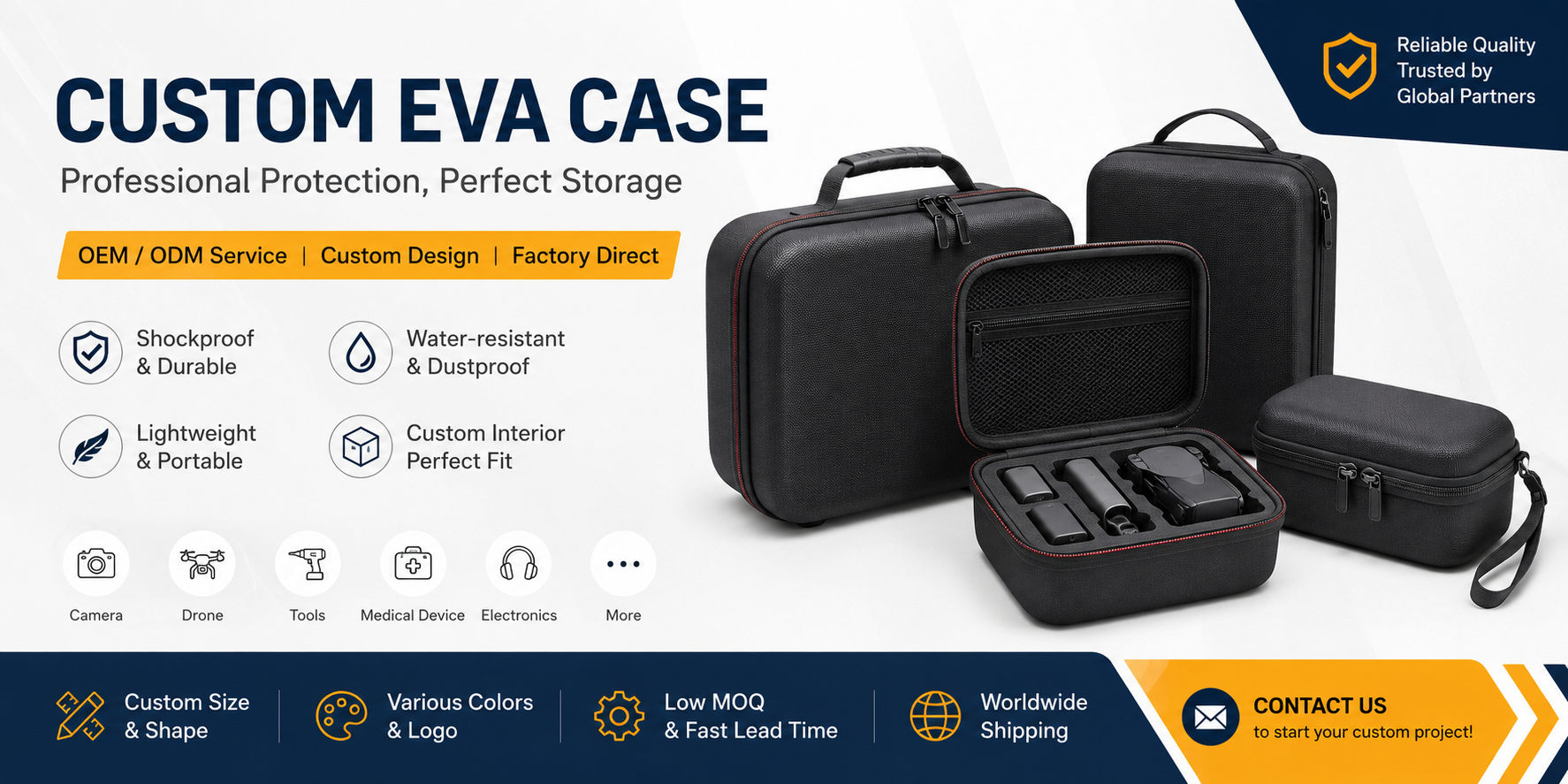
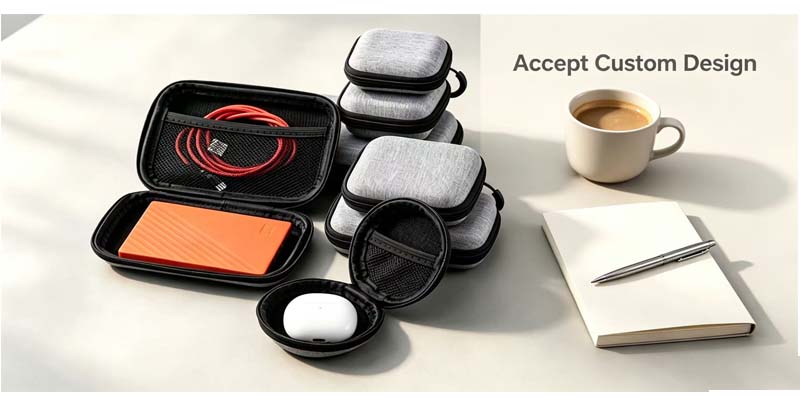
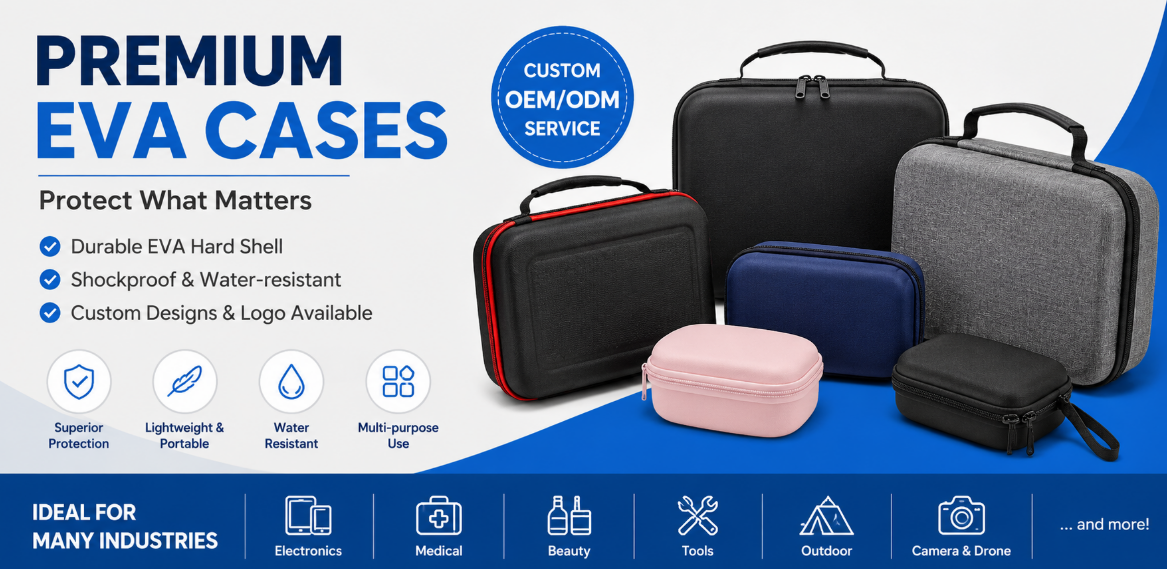
In today’s competitive market, product protection is just as important as the product itself. Whether you’re selling electronics, medical devices, beauty equipment, power tools, or outdoor gear, a durable and well-designed carrying case enhances the customer experience while protecting valuable equipment. At Vanotool Industry, we specialize in manufacturing premium EVA hard cases and a wide range of tool bags for customers worldwide. With years of manufacturing experience, we help brands create customized carrying solutions that combine protection, functionality, and attractive design. Our EVA Case Solutions EVA (Ethylene Vinyl Acetate) is a lightweight, durable, and shock-absorbing material that provides excellent protection for delicate products. Our custom EVA cases are designed to safeguard your products from impacts, scratches, dust, and moisture. We manufacture EVA cases for a variety of applications, including: Breast pump cases Medical device cases Electronic accessory cases Camera and drone cases Headphone and speaker cases Beauty and personal care equipment cases Gaming accessory cases Travel organizer cases Measuring instrument cases Outdoor and sports equipment cases Every project can be customized according to your product dimensions and branding requirements. Professional Tool Bags for Every Industry In addition to EVA hard cases, we also produce high-quality tool bags designed for professionals and industrial users. Our tool bag collection includes: Electrician tool bags Technician tool bags Maintenance tool bags Garden tool bags Heavy-duty tool totes Tool backpacks Tool organizers Storage bags for power tools Multi-pocket utility bags Made from durable fabrics and reinforced stitching, our tool bags are built to withstand demanding work environments while keeping tools organized and easily accessible. Custom Manufacturing Services We understand that every brand has unique requirements. That’s why we offer comprehensive OEM and ODM services. Our customization options include: Custom sizes Logo printing or embroidery Custom colors Interior foam inserts Molded EVA interiors Different zipper styles Carrying handles and shoulder straps Premium packaging solutions Whether you’re launching a new product or expanding your existing product line, our engineering and production teams work closely with you to develop the ideal carrying solution. Quality You Can Trust Quality is our top priority throughout the manufacturing process. From raw material selection to final inspection, every product undergoes strict quality control to ensure durability, functionality, and a professional finish. Our products are trusted by customers in industries including medical, consumer electronics, tools, outdoor equipment, and personal care. Why Choose Us? Experienced EVA case manufacturer Wide range of tool bag solutions OEM & ODM customization Competitive factory pricing Reliable quality control Flexible production capacity Worldwide export experience On-time delivery Let’s Build Your Custom Carrying Solution Whether you need a protective EVA case for electronic devices or a durable tool bag for professional applications, we’re committed to delivering products that meet your quality standards and strengthen your brand. Contact us today to discuss your project, request samples, or learn more about our custom manufacturing services. We look forward to helping you create carrying solutions that protect your products and impress your customers.
Hiking gaiters are fabric accessories that cover the top of your boots and the bottom of your legs. They wrap around your ankles and act as a shield, preventing anything from getting into your shoes. Gaiters are an extension of your trousers, providing you with more protection, durability and waterproofness. Gaiters aren’t essential for hiking, and many people don’t use them, but they provide extra comfort that you may well be grateful for in certain situations. Hiking gaiters come in different heights: long, mid-length and short. Generally speaking, they all serve the same purpose: to prevent things from getting in your hiking boots. What will change are the conditions in which you are hiking. The more difficult the conditions, the longer and more hard-wearing your gaiters should be. If you’re hiking through snow or tall grass, long gaiters would be the most appropriate choice. If you’re hiking on well-kept trails, short gaiters should suffice. How to put gaiters on your hiking boots Hiking gaiters are very simple to use and are easy to put on and take off. You can check you’ve put your gaiters on the right way round by making sure the lace hook is attached to the front of your shoe. Learn how to put on your gaiters in six simple steps: – Place the open gaiter on your calf – Slide the stirrup under your shoe and wedge it in the sunken part of your sole (just in front of the heel) – Fasten the first press stud at the bottom of the gaiter – Adjust the stirrup so that the bottom of the gaiter is snug around your shoe (important) – Wrap the fabric around your shin and fasten the hook and loop strap or zip up to the top – Finally, fasten the gaiter to your shoe using the lace hook Good to know: – If you are stepping on the buckle then your stirrup is too tight. – The buckle should be on the outside of your feet. Gaiters for every activity
Rollerskate knee pads and skateboar knee pads with hard impact plastic shell and inner foam
Many countries allow hunting to some extent, although the regulations and restrictions vary widely. Some countries known for their hunting opportunities include: United States: Hunting is a popular activity in many states, with regulations varying by state and species. The U.S. has a rich hunting tradition, with diverse game species available across the country. Canada: Canada offers abundant hunting opportunities, particularly for big game such as moose, deer, and bear. Like the U.S., hunting regulations in Canada are managed at the provincial level. South Africa: South Africa is famous for its wildlife and offers hunting safaris for both native and exotic game species. The country has a well-regulated hunting industry that contributes to conservation efforts. Argentina: Argentina is known for its bird hunting, particularly dove hunting in regions like Cordoba. Big game hunting is also available, including for species like red stag and water buffalo. Russia: Russia has vast wilderness areas where hunting is permitted, including for species like bear, elk, and Siberian ibex. Hunting regulations in Russia can vary by region. Namibia: Namibia has a well-regulated hunting industry that contributes to conservation and rural development. Trophy hunting of species like antelope, zebra, and even certain big cats is permitted under strict regulations. New Zealand: New Zealand offers hunting opportunities for introduced game species such as deer, tahr, and chamois. Hunting regulations are managed by the Department of Conservation. These are just a few examples, and many other countries around the world allow hunting under various regulations and conditions. It’s essential for hunters to research and adhere to local hunting laws and guidelines. So what shall we take when hunting and fishing outdoor? Accessories when Hunting and Fishing Wellington? Hunting:Hunting License and Tags: Ensure you have all required permits and tags for the species you’re hunting. Firearm or Bow: Make sure your weapon is properly maintained and legal for the type of game you’re hunting.Ammunition or Arrows: Bring an adequate supply for your hunt.Clothing: Dress in layers appropriate for the weather and terrain, including blaze orange for visibility if required.Footwear: Wear sturdy, waterproof boots suitable for the terrain.Optics: Binoculars or a spotting scope can be helpful for locating game.Knife: A quality hunting knife for field dressing and processing game.Backpack or Hunting Bag: To carry gear, water, snacks, and other essentials.Map and Compass/GPS: Navigation tools to help you find your way.First Aid Kit: Include supplies for treating minor injuries and emergencies.Water and Snacks: Stay hydrated and energized during your hunt.Safety Gear: Whistle, signaling device, and possibly a GPS locator in case of emergencies.Game Calls: If you’re using them to attract game.Scent Control Products: Depending on the game and hunting strategy. Fishing:Fishing License: Make sure you have a valid fishing license for the area you’ll be fishing.Fishing Rod and Reel: Bring the appropriate gear for the type of fishing you’ll be doing.Tackle Box: Stocked with a variety of lures, hooks, weights, and other tackle.Bait: Live bait or artificial lures depending on your preference and the type of fish you’re targeting.Fishing Line: Extra spools of fishing line in case of breakage.Net or Landing Tool: To safely land and handle fish.Fish Gripper or Pliers: For removing hooks and handling fish.Sun Protection: Hat, sunglasses, sunscreen to protect against sun exposure.Appropriate Clothing: Dress for the weather and consider wearing clothing that dries quickly if you’ll be in or near the water.Water and Snacks: Stay hydrated and fueled during your fishing trip.First Aid Kit: Include supplies for treating minor injuries.Safety Gear: Life jacket if fishing from a boat or in deep water.Tools and Accessories: Such as a line cutter, knot-tying tool, and fish scale.Whether hunting or fishing, always check local regulations and guidelines before heading out, and prioritize safety at all times. Additionally, consider factors such as the duration of your outing, the location, and any specific needs or preferences you may have. “Fishing bags” typically refer to specialized bags or packs designed specifically for anglers to carry their fishing gear and accessories while fishing. These bags come in various shapes, sizes, and styles, catering to different types of fishing and personal preferences. Here are some common types of fishing bags: Tackle Bags: Tackle bags are designed to carry fishing tackle such as lures, hooks, lines, and other fishing accessories. They often feature multiple compartments, pockets, and trays for organizing tackle. Backpacks: Fishing backpacks are similar to regular backpacks but are designed with features tailored to anglers’ needs. They typically have compartments for storing tackle boxes, gear, and other essentials, as well as features like rod holders and hydration bladder compatibility. Sling Packs: Sling packs are single-shoulder bags that can be quickly rotated to the front for easy access to gear without having to remove the pack. They’re popular among anglers who prefer a more streamlined and lightweight option. Waist Packs: Waist packs, also known as hip packs or fanny packs, are worn around the waist and provide easy access to fishing essentials while keeping hands free. They’re ideal for anglers who want to travel light or fish in areas where carrying a backpack may be cumbersome. Dry Bags: Dry bags are waterproof bags designed to keep gear and valuables dry and protected from water. They’re often used by anglers who fish in wet or aquatic environments, such as kayak fishing or wading. Rod Tubes/Cases: While not technically bags, rod tubes or cases are designed to protect fishing rods during transportation. They come in various lengths and materials, from simple fabric sleeves to hard-shell cases. When choosing a fishing bag, consider factors such as the type of fishing you’ll be doing, the amount of gear you need to carry, comfort, durability, and organization features. Additionally, ensure that the bag is made from water-resistant or waterproof materials if you’ll be fishing in wet conditions.
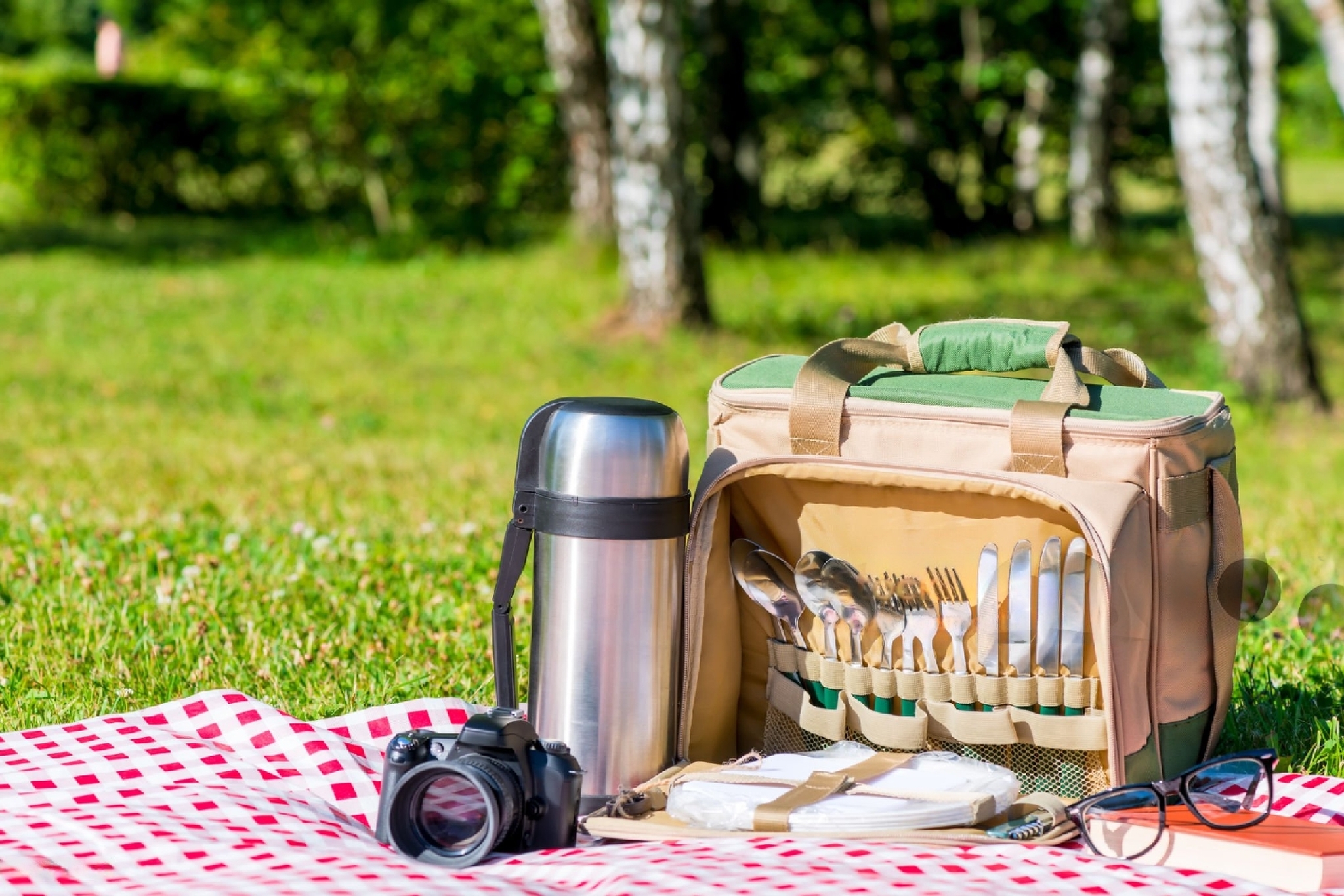
Cooler bags can still provide some insulation to help maintain the temperature of your items, even without ice. However, the effectiveness of the cooling will be significantly reduced compared to using ice or ice packs. Without ice or ice packs, cooler bags rely solely on their insulation properties to slow down the transfer of heat from the outside environment to the inside of the bag. While this can help to some extent, especially for short periods or in mild temperatures, it won’t keep your items as cold as when using ice. If you’re planning to use a cooler bag without ice, here are a few tips to maximize its effectiveness: Pre-Chill Items: Refrigerate or freeze your items before placing them in the cooler bag. Starting with colder items will help them stay cooler for longer. Use Insulating Layers: Place items in the cooler bag surrounded by insulating materials, such as towels, blankets, or even newspaper. This can help reduce the rate at which heat enters the bag. Minimize Opening: Limit how often you open the cooler bag to reduce the amount of warm air that enters and cold air that escapes. Keep it in the Shade: Position the cooler bag in a shaded area to minimize exposure to direct sunlight, which can heat up the contents more quickly. Choose a High-Quality Cooler Bag: Invest in a cooler bag with thick insulation and a durable outer layer to maximize its ability to retain cold temperatures. While a cooler bag without ice may not keep items as cold as you’d like for an extended period, it can still be useful for short trips or when refrigeration isn’t readily available. However, for longer outings or when you need to keep items cold for an extended period, using ice or ice packs is highly recommended for better cooling performance.
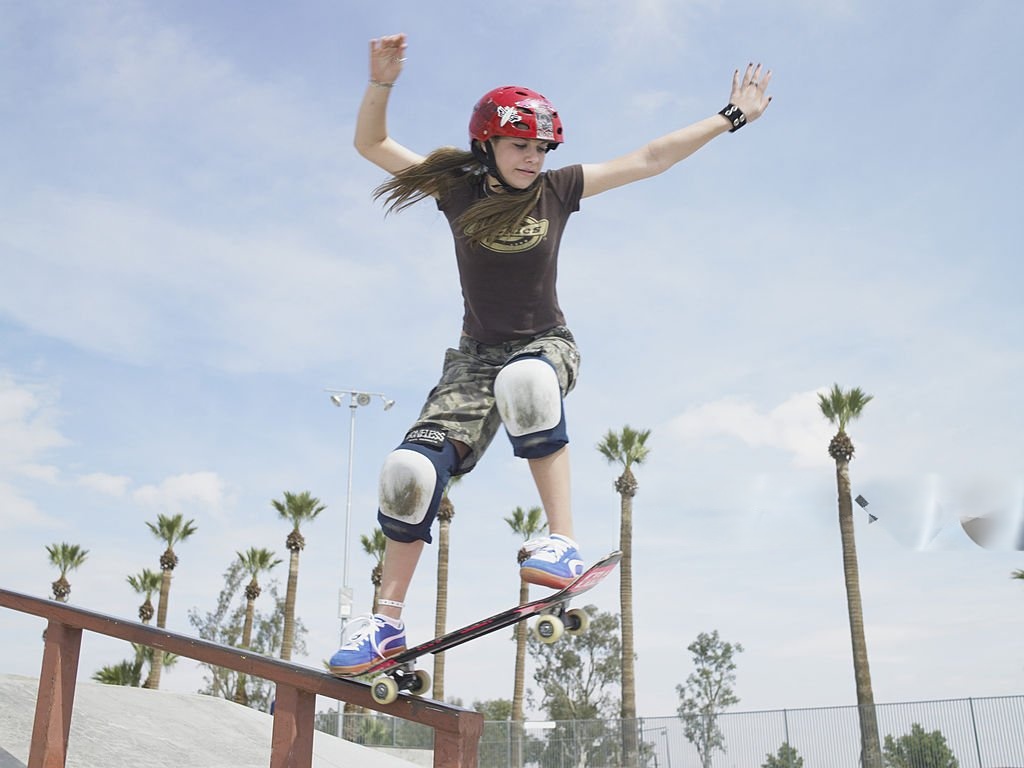
Skateboard knee pads come in various shapes, sizes, and materials, but they generally serve the same purpose: to protect your knees from injuries while skateboarding. Here are some common differences you might find among different knee pads: Size and Fit: Knee pads come in different sizes to fit various leg shapes and sizes. Some may have adjustable straps or elastic materials to ensure a snug fit. Material: Knee pads can be made from different materials such as foam, plastic, or a combination of both. Foam pads offer comfort and flexibility, while hard plastic caps provide better protection against impacts. Coverage: Some knee pads offer full coverage, extending from above the knee to below it, while others provide partial coverage. Full-coverage pads generally offer more protection but may restrict movement slightly. Knee Padding Thickness: The thickness of the padding can vary. Thicker padding generally offers better shock absorption but may feel bulkier. Ventilation: Some knee pads are designed with ventilation channels or breathable materials to prevent excessive sweating and keep you comfortable during long skate sessions. Durability: Higher-quality knee pads are often more durable and can withstand repeated impacts without wearing out quickly. Price: Knee pads range in price depending on the brand, materials used, and level of protection offered. Higher-priced knee pads typically offer better quality and durability. When choosing knee pads, it’s essential to consider your skating style, comfort preferences, and the level of protection you need. It’s also a good idea to try them on before purchasing to ensure they fit well and feel comfortable.
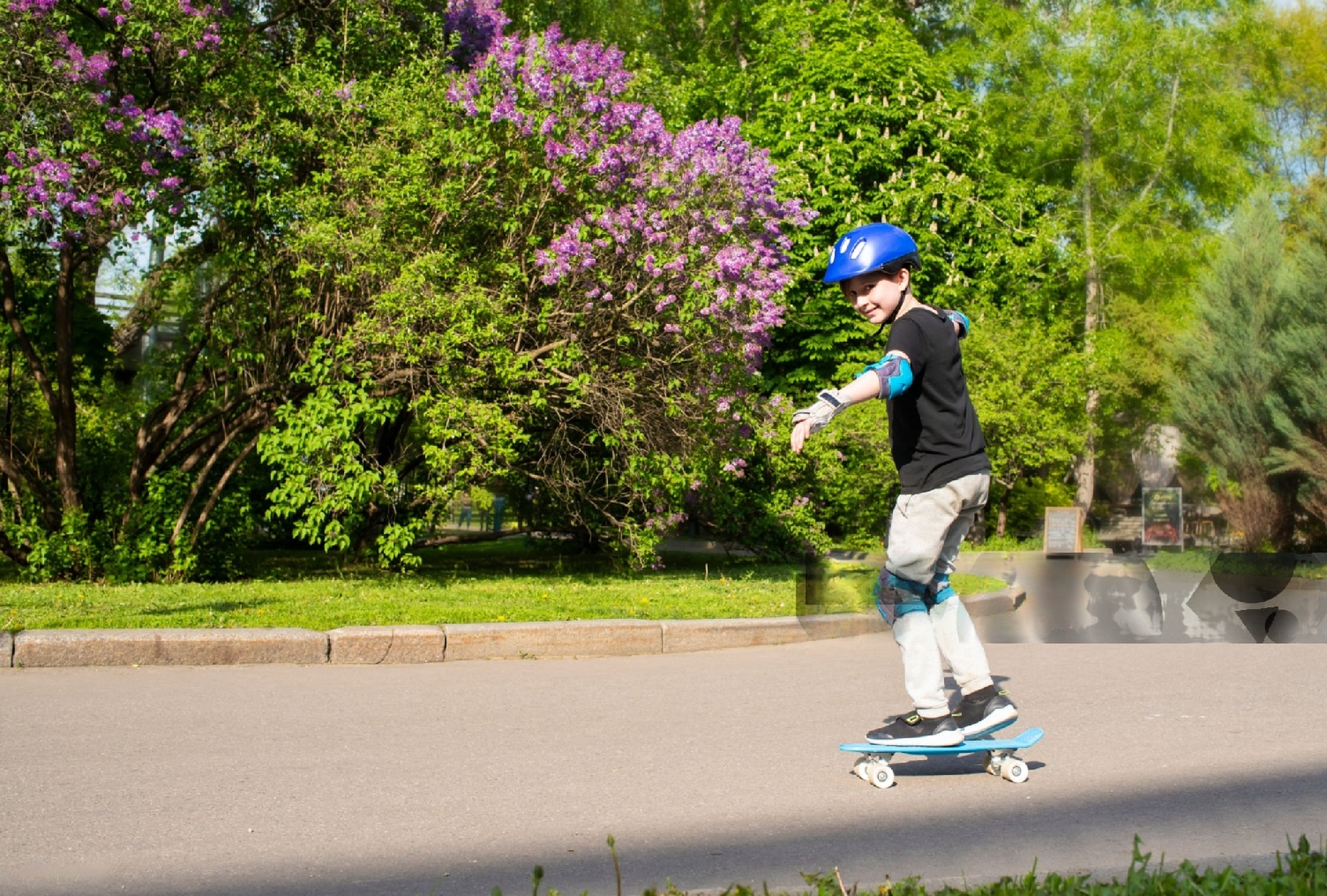
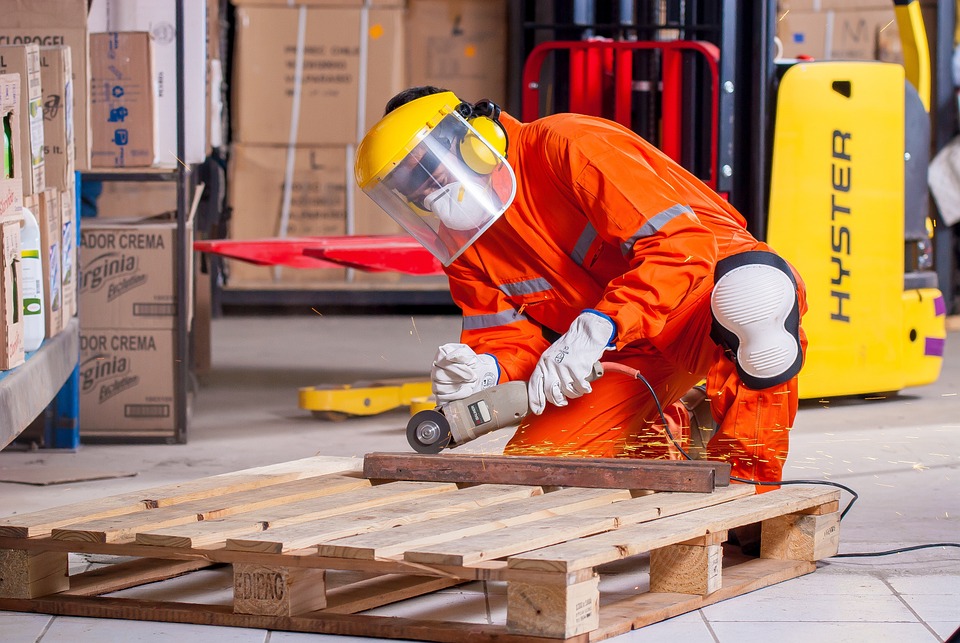
Wearing knee pads is advisable in various situations to prevent knee injuries or provide support and protection. Here are some scenarios where wearing knee pads might be necessary or beneficial: Sports Activities: Knee pads are commonly worn in sports such as basketball, volleyball, skateboarding, rollerblading, and soccer to protect the knees from impacts, falls, and collisions with other players or hard surfaces. Skateboarding and Rollerblading: These activities involve frequent falls and impacts, making knee pads essential protective gear to prevent scrapes, bruises, or more serious injuries. Bicycling and Mountain Biking: Knee pads are often worn by cyclists, especially mountain bikers, to protect against scrapes, cuts, and impacts during falls or collisions with obstacles. Construction Work: Workers in construction or other manual labor jobs that involve kneeling or working on hard surfaces may wear knee pads to cushion and protect their knees from strain or injury. Gardening and Landscaping: People engaged in gardening or landscaping activities often kneel on hard surfaces, making knee pads useful for preventing knee pain and discomfort. Skating Rinks: Whether it’s roller skating or ice skating, knee pads are commonly worn to protect against falls on hard surfaces. Dance Practices: Dancers, especially those practicing styles like breakdancing or contemporary dance, may wear knee pads to cushion their knees during floor work and prevent injuries. DIY Home Projects: When working on home improvement projects that involve kneeling or crawling on hard surfaces, wearing knee pads can provide comfort and protection. In essence, any activity that involves frequent kneeling, falling, or impact on the knees can benefit from the use of knee pads to prevent injuries and promote comfort.
Hiking leg gaiters are protective coverings worn over the lower legs and shoes to provide protection from various elements encountered while hiking. They typically extend from the ankle to just below the knee and are commonly made from durable, waterproof materials like nylon or Gore-Tex. Here’s why hikers use them: Protection from debris: Gaiters help keep dirt, rocks, sticks, and other trail debris out of your boots, which can prevent discomfort and potential injuries. Weather protection: They shield your lower legs and feet from rain, snow, and mud, keeping you dry and comfortable during wet weather conditions. Prevent scratches and abrasions: Gaiters provide an extra layer of protection against scratches, cuts, and abrasions from thorny bushes, sharp rocks, and other rough terrain features. Keep insects out: Insect bites and stings can be a nuisance and even a health concern in some areas. Gaiters act as a barrier against bugs like ticks, mosquitoes, and other biting insects. Thermal insulation: In colder climates, gaiters can provide an additional layer of insulation, helping to keep your legs and feet warmer. When selecting hiking gaiters, it’s essential to consider factors such as material durability, waterproofness, breathability, ease of use (such as adjustable straps and closures), and compatibility with your hiking boots. Properly fitting gaiters that are suited to the terrain and weather conditions can greatly enhance your hiking experience by keeping you comfortable and protected. GORE-TEX BLUE FABRIC + 280T TALSON FABRIC WATERPROOF LEG GAITER SNOW LEG GAITER, HIKING GAITER, TREEKING GAITER, SKIING GAITER BEST PROTECTION
Hunting is practiced in various countries around the world, with regulations and traditions differing from place to place. Some countries, like the United States, Canada, and parts of Europe, have well-established hunting cultures with significant numbers of hunters pursuing various game species. Other countries may have more restricted hunting activities or different cultural attitudes toward hunting. Countries with vast wilderness areas often offer more extensive hunting opportunities, but even urban areas may have hunting grounds nearby. “Hunting packs, bags, and vest packs” encompass a range of gear designed to assist hunters in carrying their equipment, gear, and harvested game while out in the field. Here’s a breakdown of each: Hunting Packs: These are larger backpack-style packs designed to carry a hunter’s gear and supplies during extended hunting trips. They typically feature multiple compartments and pockets for organization, as well as attachment points for carrying additional gear like rifles or bows. Hunting packs often have padded straps and waist belts for comfort during long treks in rugged terrain. Hunting Bags: Hunting bags come in various sizes and styles and are used to carry specific gear or supplies. For example, there are shotgun shell bags for carrying ammunition, blind bags for storing hunting accessories like calls and decoys, and meat/game bags for transporting harvested game. These bags are usually designed with durability and functionality in mind, with features like water resistance and reinforced stitching. Vest Packs: Vest packs combine the features of a hunting vest with the functionality of a backpack or pack. They typically feature a vest-like design with multiple pockets and compartments for storing gear, along with a small built-in backpack or pack for carrying additional items. Vest packs offer hunters the convenience of having their gear readily accessible while also providing some carrying capacity for bulkier items. Each of these hunting packs, bags, and vest packs serves a specific purpose and can be tailored to the individual needs and preferences of the hunter. They play a crucial role in ensuring that hunters are properly equipped and organized during their outdoor pursuits.